
GT Rivals: Real Racing Sim
Digital Racers FZ-LLCRacing
4.8213.00 Reviews
- Version
- 1.1.0
- Installs
- 1.00M
- Age Rating
- Everyone
Screenshots

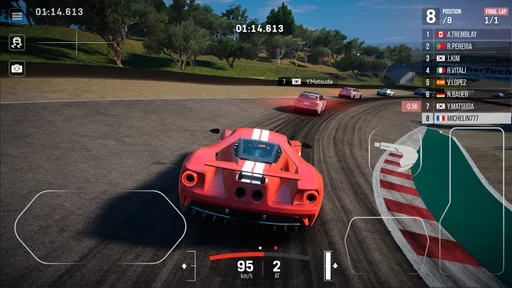
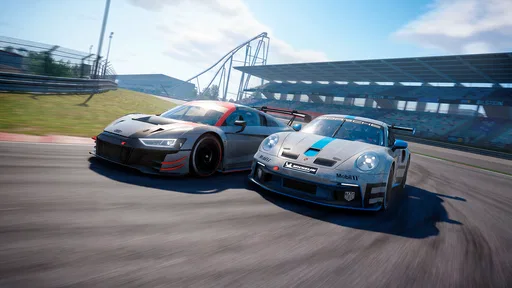
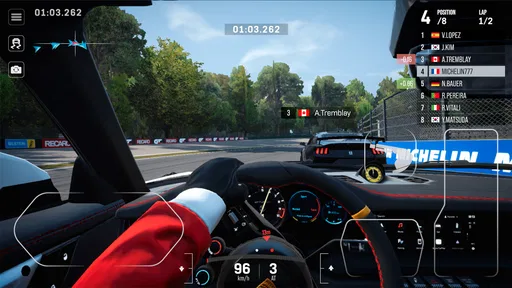
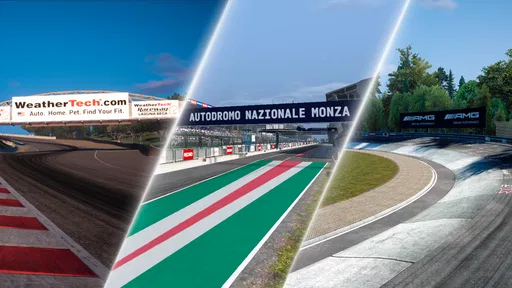

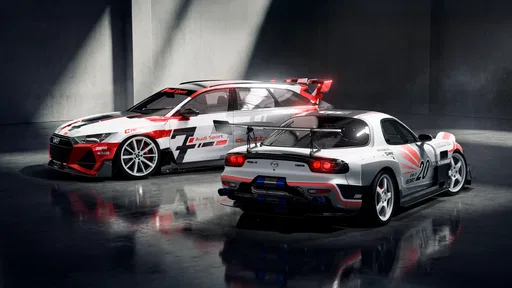
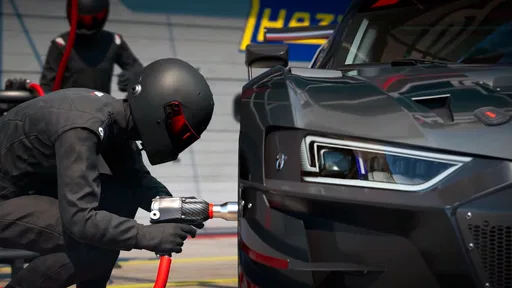
Our Review of GT Rivals: Real Racing Sim
 Analysis by Appyee
I approached GT Rivals: Real Racing Sim expecting a compact mobile racing game, but its appeal is more specific than that. It aims for the feeling of a serious circuit racer rather than a casual traffic-dodging game, placing the focus on real cars, recognizable tracks, and the small decisions that make a lap feel earned. My overall impression is that it works best when I treat each race as a short practice session instead of expecting a full console-style simulation in my pocket.
That distinction matters. This is a free racing game from Digital Racers FZ-LLC, available for players rated Everyone, and it has attracted over one hundred thousand installs. The current release is version 0.9.0, with support beginning at Android 7.1. Those details make it easy to try on a wide range of phones, but they do not change the central question: does it offer enough depth to keep a racing fan interested after the first few events? In my experience, the answer is yes for players who enjoy improving their lines and learning a circuit, although casual players may find the demands of realistic racing less immediately forgiving.
What makes the driving worth learning
The strongest part of the game is its identity. It is not trying to be a cartoon racer, an endless runner, or a simple collection of quick boosts. The combination of licensed-style real-world cars and iconic track settings gives each race a more deliberate character. I found myself paying attention to braking points and corner exits rather than simply holding the accelerator and waiting for an opportunity to pass.
That difference becomes clear during repeated attempts. On a first run, a corner can look harmless because the car is still carrying speed from the previous straight. On the next run, I may brake earlier, turn in more smoothly, and discover that the real gain comes from getting back on the throttle sooner. This is a useful design choice because it gives the game a learning loop that does not depend entirely on unlocking something new. The reward can simply be a cleaner lap.
The track selection also helps the game feel more purposeful. Familiar circuit layouts create a useful reference point: I can remember where I lost time, where I ran wide, and which section needs more patience. Even without turning the experience into a technical simulator, recognizable venues make progress easier to feel. A generic road can be fun once, but a track with memorable corners gives me a reason to return and correct a mistake.
The cars are another important part of the presentation. Different vehicles naturally encourage different expectations, even when the game keeps its controls accessible. A car that feels stable through a bend invites a tidy, flowing style, while a less forgiving setup makes rushed steering more obvious. I would not describe the driving as an uncompromising simulation, but it has enough seriousness to make control choices matter.
For touch play, I recommend starting with the least complicated control arrangement available and spending a few races learning how the car responds. I initially found that overcorrecting was more damaging than turning too little. Small steering movements are usually easier to manage than dramatic swipes, especially when approaching a corner at speed. This is one of the less obvious ways to improve: smoother inputs often produce better results than trying to react aggressively to every change in direction.
Another practical habit is to treat the first lap as information gathering. Instead of chasing a perfect result immediately, I watch for the corners that require early braking and the places where the car naturally drifts toward the outside. That approach makes the next attempt more useful. It also reduces the frustration that can come from judging the entire game by a single messy opening race.
The game’s free entry point is helpful here. I can install it, test the handling, and decide whether the driving style suits me without paying before I understand the experience. The optional purchases range from $0.99 to $139.99 per item, so I would approach the store carefully and avoid treating spending as a substitute for learning the tracks. For a racing game built around improvement, buying progress can remove part of the satisfaction that comes from mastering a difficult section naturally.
The difference between a quick race and a useful session
GT Rivals is particularly well suited to short bursts of play. I can use it during a break, complete a few attempts, and stop after working on one specific corner. That is more satisfying than opening the game without a goal and drifting through races mechanically. My best sessions have had a simple purpose: improve consistency, test a different approach to a bend, or finish a race without making a panicked steering correction.
This makes the game a good companion for someone who enjoys gradual improvement. It is less convincing as a background game for people who want constant rewards with minimal attention. The driving asks me to stay involved. Looking away for even a moment at the wrong time can turn a promising lap into recovery work.
A useful everyday scenario is a short evening session after work or study. I can play a race, notice that I keep losing control in the same section, and spend the next few attempts focusing only on entering that corner with a calmer line. The game becomes a small skill exercise rather than another feed of disposable content. That kind of focused play is where its racing identity feels strongest.
It also means that the phone itself matters. A larger screen can make steering inputs easier to judge, while a smaller display may require more careful thumb placement. I would not recommend beginning with a crowded control layout or trying to race while distracted. The game may be accessible to a broad age group, but its more serious handling rewards attention and patience.
Where the experience loses some momentum
The main limitation is not that the game takes racing seriously; it is that the mobile format can make that seriousness feel uneven. A touch screen does not provide the same precision as a physical wheel, pedals, or a controller. When the car reacts more sharply than expected, I sometimes feel that the input method is part of the challenge rather than the track itself. Players who already dislike touch controls in racing games may not find enough here to change their mind.
There is also a tension between realism and convenience. A more forgiving arcade racer lets me recover from a poor corner with a boost or a dramatic shortcut. Here, a mistake can carry through the rest of the section, particularly when I enter a bend too quickly. That is satisfying when I know exactly what went wrong, but it can feel harsh when the car’s behavior is difficult to read on a small screen.
The free-to-play structure deserves careful attention as well. The presence of in-app purchases does not automatically make the game unpleasant, but the wide price range means I would keep expectations under control. I would first establish whether the core driving is enjoyable on its own. If the game only becomes comfortable after spending, it is probably not the right fit for me. A racing title should make practice feel valuable before it asks me to consider optional purchases.
Because the current version is 0.9.0, I also see the game as an experience that may still feel like it is establishing its identity. That is not a criticism of the developer by itself, but it is a reason for players to judge the actual driving rather than assume they are getting the breadth of a mature console series. I prefer to describe this as a focused mobile racer with room to grow, not as a complete replacement for a large racing library.
Another trade-off is the difference between visible authenticity and deep simulation. Real cars and iconic tracks create a convincing framework, but those elements alone do not guarantee the complex vehicle modeling that dedicated simulation fans may expect. If I want extensive tuning, highly detailed race strategy, or the feeling of managing every technical variable, I would look toward a more specialized alternative. If I mainly want recognizable racing environments and a more disciplined driving style on mobile, this game is easier to appreciate.
Who should spend time with it
I would recommend it first to players who enjoy repeating a race with a clear goal. You do not need to be an expert driver, but you should be comfortable learning through mistakes. The game is a good match for someone who likes real-world racing flavor, wants a free way to test a circuit racer, and prefers improving technique over collecting endless novelty.
It can also suit players moving from casual arcade racers toward something more controlled. The transition is not completely frictionless, because the game expects more attention to braking and steering, but that is exactly what gives it value. I can use it as a bridge between instant-access racing and a more demanding simulator without needing to commit to a dedicated gaming setup.
Parents may appreciate that the content rating is Everyone, but I would still explain the purchase model before handing over a device. The age rating describes the content audience, not whether every optional transaction is appropriate for every player. Keeping purchases managed is sensible, especially when a free download presents several item prices.
I would skip it if my ideal racing game is built around spectacular crashes, exaggerated power-ups, or immediate victories. I would also look elsewhere if I need a deep competitive ecosystem, a highly technical garage, or the precision of a controller-first simulation. GT Rivals has a narrower purpose: it wants the race itself to be the main activity.
Compared with the usual arcade alternatives, this game asks for more restraint and gives less satisfaction from reckless driving. Compared with full simulation titles, it is easier to pick up and better suited to a phone, but it cannot replace the tactile precision and breadth that specialized players may want. That middle position is both its strength and its boundary. It is more thoughtful than a disposable racer, yet more approachable than a demanding simulator.
Small habits that improve the experience
My first tip is to change only one thing at a time. If I alter steering sensitivity, braking habits, and my racing line together, I cannot tell what helped. I prefer to keep the controls stable while practicing one troublesome corner. Once that section feels predictable, I move on. This turns frustration into a repeatable method.
My second tip is to value clean exits over dramatic entries. Entering a corner quickly may look impressive, but carrying too much speed usually compromises the next straight. A calmer approach often gives me a better run afterward. This is especially useful when the track has a sequence of bends, because a poor exit from the first corner can make the following one harder than it needs to be.
My third tip is to use short sessions deliberately. Instead of playing until I am annoyed, I stop after a good attempt or after identifying a specific mistake. Returning later with that single lesson in mind makes the game feel more rewarding. It also prevents the common mobile habit of repeating races without actually changing technique.
Finally, I would test the game on the device I plan to use before making any purchase. The minimum operating system is Android 7.1, which keeps compatibility relatively broad, but practical comfort still depends on screen size, touch response, and how easily I can hold the phone while steering. A game can run correctly and still feel awkward if the controls do not suit my hands.
My verdict after living with the racing focus
GT Rivals: Real Racing Sim succeeds because it understands that a mobile race can be satisfying without being overloaded with distractions. The real-car presentation and recognizable tracks give it personality, while the driving rewards patience, repetition, and cleaner decisions. I especially like that progress can come from learning a corner rather than simply waiting for a larger reward.
Its weaknesses are meaningful. Touch controls can limit precision, the free-to-play purchase range calls for caution, and players seeking a complete simulation may find the scope too narrow. It is also not the best choice for someone who wants instant arcade excitement in every race. The game asks me to pay attention, and that request will either be its greatest appeal or its biggest obstacle.
For me, the clearest recommendation is to racing fans who want a focused mobile experience they can practice in short sessions. Install it freely, spend time learning how the cars respond, and judge the game by the quality of its driving before considering optional items. If you enjoy the feeling of turning a messy lap into a controlled one, this is a worthwhile free racer to try. If you want a broad, fully featured simulation or a carefree arcade game, a different option will likely serve you better.
Digital Racers FZ-LLC has built a game with a clear direction rather than an all-purpose racing package. That clarity is what makes it memorable. I would keep it on my phone for focused laps, especially when I want a quick driving challenge with real racing flavor, while keeping my expectations realistic about its mobile controls and developing scope.
Privacy and Permissions
See what permissions an app requests and how it handles your data.
- Microphone
- record audio
- Wi-Fi connection information
- view Wi-Fi connections
- Other
- view network connections, pair with Bluetooth devices, full network access, change your audio settings, control vibration, prevent device from sleeping, Google Play license check
Verdict
Strengths of GT Rivals: Real Racing Sim
- Responsive controls make cornering feel precise and satisfying.
- Car upgrades add useful progression beyond simply winning races.
- Different camera views suit both casual and competitive players.
- Short events work well for quick gaming sessions.
- Visual effects make crashes and overtakes feel more exciting.
Limitations of GT Rivals: Real Racing Sim
- Some races can feel repetitive after mastering the available tracks.
- Higher-tier upgrades may require considerable grinding or spending.
- Touch controls can feel awkward during intense, fast corners.
- The game may consume noticeable battery during longer sessions.
- Online competition can be frustrating against experienced players.
Similar Picks in This Category
View All
Hill Climb Racing
Fingersoft4.3

Dr. Driving
SUD Inc.4.2

Traffic Rider
skgames4.5

Asphalt 8 - Car Racing Game
Gameloft SE4.6

Race Master 3D: Car Racing
Beresnev Games4.6

Extreme Car Driving Simulator
AxesInMotion Racing4.3
Frequently Asked Questions
What is GT Rivals: Real Racing Sim?
GT Rivals: Real Racing Sim is a mobile racing game focused on competitive circuit driving, fast cars, and realistic-style racing presentation. Players can take part in races, improve their vehicles, and compete for better results across different events. It is designed for users who enjoy a more serious racing experience rather than a simple arcade game with only casual controls.
Is GT Rivals: Real Racing Sim free to download and play?
The game can generally be downloaded without an upfront purchase, but availability and pricing may vary depending on whether you use Android or iOS and on your region. As with many mobile racing games, optional in-app purchases may be included for cars, upgrades, currency, or other progression items. Check the store listing carefully before installing, especially if children use the device.
Does GT Rivals: Real Racing Sim require an internet connection?
An internet connection may be needed for the first download, updates, advertisements, cloud-related features, leaderboards, and online competitions. Some portions of the game may work offline, but the complete experience can depend on being connected to the internet. If you plan to play while traveling, test the game beforehand because certain races or progression features may not be available without a stable connection.
What devices are compatible with GT Rivals: Real Racing Sim?
Compatibility depends on the version available in your country, the operating system, and the hardware of your phone or tablet. Newer devices with a capable processor, sufficient storage, and updated Android or iOS versions should provide a smoother experience. Before downloading, review the official store requirements and make sure you have enough free space for the installation and future game updates.
Does GT Rivals: Real Racing Sim offer realistic controls and customization?
The game is aimed at players who want a racing-simulation style experience, so its controls may feel more demanding than those in a purely arcade racer. Depending on the available version, you may be able to adjust steering or driving assistance and improve vehicles through upgrades. New players should begin with easier settings and practice braking, cornering, and acceleration before entering more competitive events.
Play our best games!


